

Africa's Atlantic Natural Gas Pipeline Raises Questions About the Continent's Energy Future
- Posted on July 22, 2026
- Latest News
- By Admin
- 39 Views
Can Africa expand energy access without locking itself into decades of new fossil fuel infrastructure?
By Diana Taremwa Karakire
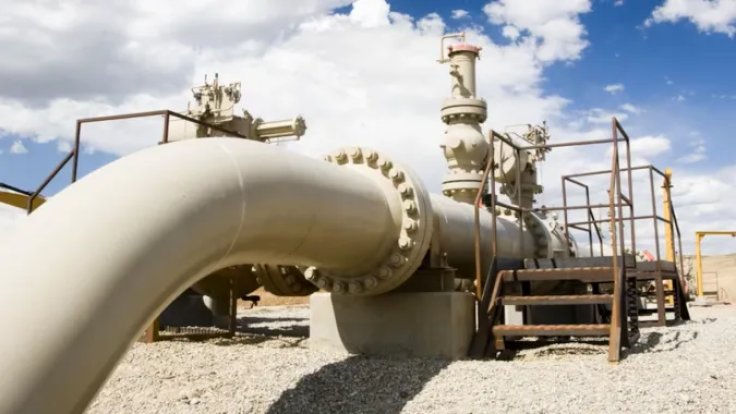
KAMPALA, Uganda —Last week(July19),West African leaders of the Economic Community of West African States ECOWAS signed an intergovernmental agreement in Freetown, Sierra Leone, formally backing Africa's most ambitious fossil fuel project, the African Atlantic Gas Pipeline AAGP also previously known as the Nigeria-Morocco Gas Pipeline. The agreement moves the project from years of planning towards implementation by creating the legal framework for participating countries to cooperate. The proposed offshore natural gas pipeline will stretch between 5,600 and 6,800 kilometers along the Atlantic coast, connecting Nigeria with Morocco through 13 West African countries.
"The agreement gives the project the sovereign foundation required to move from vision to delivery," said Bashir Bayo Ojulari, group chief executive officer of Nigerian National Petroleum Company Limited, in a statement.
African leaders have long argued that the continent, which contributes only a small share of global greenhouse gas emissions, should be allowed to develop its natural gas resources to expand electricity access, industrialize its economies and lift millions of people out of energy poverty. But critics question whether continued fossil fuel development will deliver those promises.
A recent report by Oil Change International, Pipe Dreams, found that oil and gas production across 13 African countries has failed to produce broad-based economic development. Instead,the industry has concentrated wealth, generated few jobs, and left countries vulnerable to volatile commodity prices while exporting much of the fuel abroad.
"Oil and gas extraction is not the path to prosperity that governments hope for,in fact, it has made people poorer," said Gregg Muttitt, climate and energy researcher and one of the authors of the report.
"Extraction generates very few jobs, and most of the oil and gas are exported even while large parts of a producer country's own population suffers from energy poverty."
The AAGP pipeline is estimated to cost between $25 billion and $27 billion and will transport up to 30 billion cubic meters of natural gas annually while creating a new export corridor to Europe. Developers hope to begin construction in 2028, with first gas deliveries targeted for 2031.ECOWAS has promoted the project as a catalyst for regional integration, economic development and energy access. This Pipeline is not the only major gas project moving forward.
Last month, June, Algeria also launched construction of the Trans-Saharan Gas Pipeline, a 4,128-kilometer project that will transport up to 30 billion cubic meters of natural gas annually from Nigeria through Niger to Algeria's Mediterranean coast for export to Europe. Officials say the project will improve energy security and open new export routes for African gas.
The two pipelines signal a significant expansion of Africa's gas infrastructure at a time when the Intergovernmental Panel on Climate Change says continued investment in fossil fuel projects is incompatible with pathways to limit global warming.LNG is primarily made up of methane, a greenhouse gas 80 times more potent than CO2 in the short term and 30 times worse in the long term. Methane leaks into the atmosphere throughout the LNG production and supply chain contribute to climate warming.
Economist and President of the Global Institute for Sustainable Prosperity, Fadhel Kaboub argues that the continent risks investing in outdated energy systems just as renewable technologies become cheaper and more widely available.
"Locking Africa into the energy systems of the past leaves the continent stranded with fossil fuel infrastructure instead of the energy systems of the future," said Kaboub. "It delays investment into cheaper and cleaner renewables."
Africa's energy deficit remains one of the world's largest. According to data from the International Energy Agency, around 600 million Africans still lack reliable access to electricity, which is nearly half the continent's population and more than 80 per cent of the global electricity access gap.

Write a Response