

Oil Dreams Sour as Communities Count the Cost of EACOP
- Posted on September 25, 2025
- Latest News
- By Admin
- 248 Views
Today, communities along the route of the East African Crude Oil Pipeline (EACOP) and within the Tilenga and Kingfisher project areas tell a different story ,one marked by displacement, land conflicts, and dashed expectations.
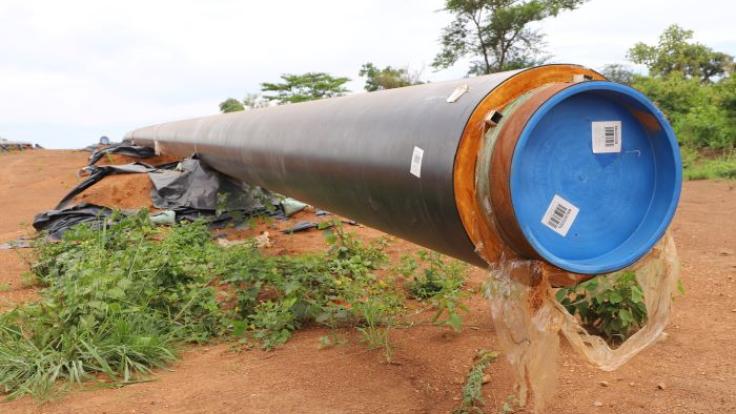
Hoima, Uganda – When Uganda discovered commercially viable oil reserves nearly two decades ago, Hoima district became the center of attention. Hotels sprang up almost overnight, land prices skyrocketed, and residents believed that prosperity was finally within reach. “People thought oil would transform our lives,” recalls John Mugisa, a hotel owner in Hoima town. “We were preparing for the boom.”
That promise now feels distant. Today, communities along the route of the East African Crude Oil Pipeline (EACOP) and within the Tilenga and Kingfisher project areas tell a different story ,one marked by displacement, land conflicts, and dashed expectations.
TotalEnergies, alongside China National Offshore Oil Corporation (CNOOC) and the Ugandan government, is spearheading the multibillion-dollar projects that aim to pump 230,000 barrels of oil per day. EACOP, the world’s longest heated pipeline, will stretch 1,443 kilometers from western Uganda to Tanzania’s Indian Ocean coast. Proponents say the project will deliver jobs, infrastructure, and government revenues.
But residents like farmer Margaret Atugonza say the costs are already outweighing the benefits. “They took my land, gave me little compensation, and now I struggle to feed my family,” she says, standing beside a field she once cultivated. Civil society groups like the Africa Institute for Energy Governance have documented cases of land grabbing, delayed payments, and households pushed off fertile land onto barren plots.
“Communities are paying the price through land loss and environmental destruction, while the promised benefits remain elusive,”says Balach Bakundane, coordinator of EACOP host communities.
In Hoima town, where a decade ago the oil rush inspired a wave of speculative construction, many new hotels now sit half-empty. “Investors built expecting an influx of workers, tourists, and conferences. But the money never came,” says a local official. Many residents complain that the oil industry has enriched a small elite group of consultants, contractors, and politically connected businessmen while leaving communities with broken promises.
International scrutiny has also intensified. Environmental groups warn that EACOP will cut through sensitive ecosystems, displace thousands, and unleash significant carbon emissions at a time when the world is racing to meet net-zero targets. European and American banks have pulled financing, citing environmental and human rights concerns, though the project still attracts backing from regional lenders.
For Ugandans in Hoima and beyond, the broader question looms: will oil deliver the development long promised, or will it deepen inequalities and fuel unrest?
“We were told oil is wealth,” Atugonza says quietly. “But for us, it has only brought suffering.”



Write a Response